

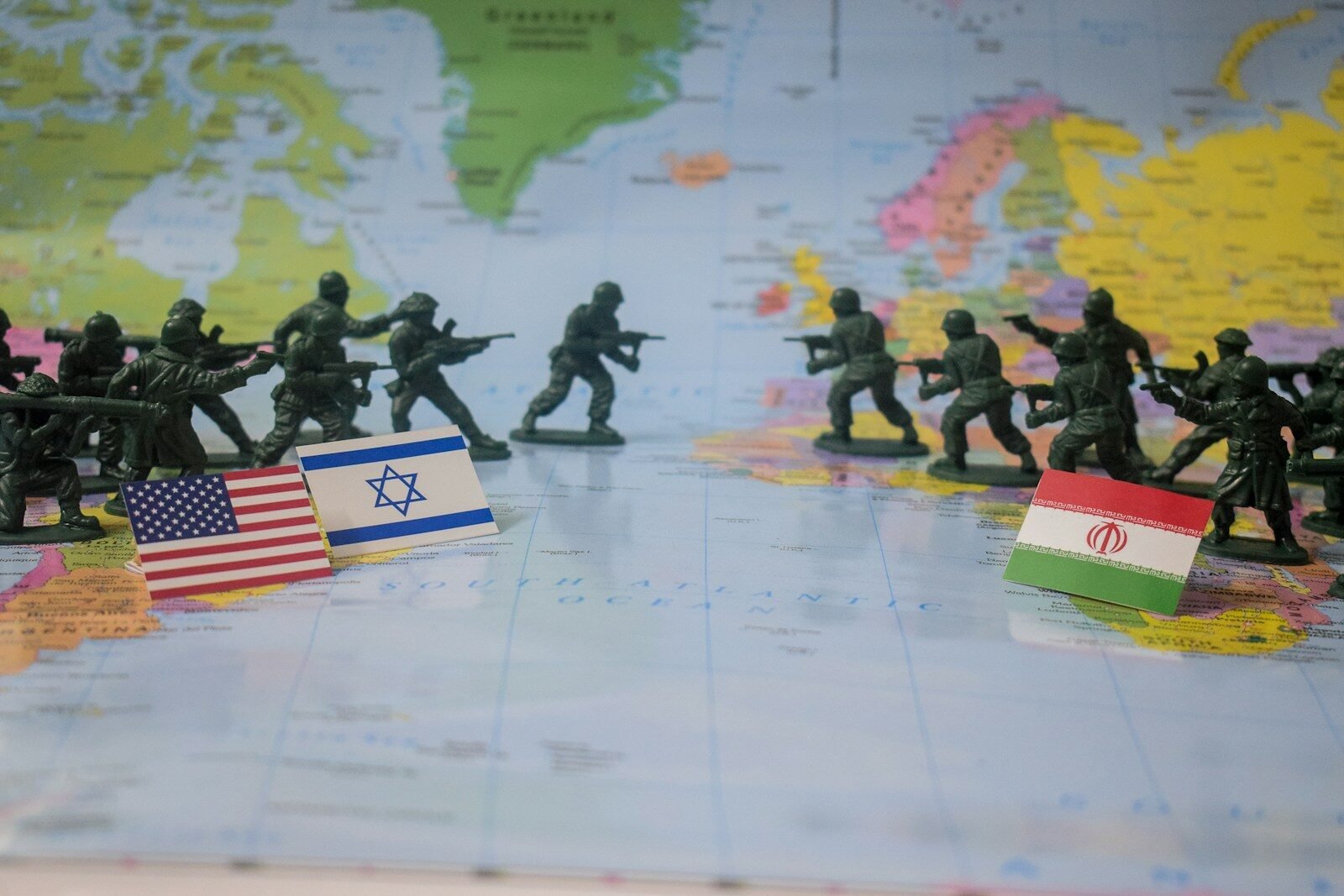
In a dramatic diplomatic shift that has temporarily relieved global financial and energy markets, the President of the United States announced the cancellation of imminent military strikes against targets inside Iran.
Citing a breakthrough in non-direct negotiations and responding to urgent regional mediation efforts, Washington confirmed that an initial “framework agreement” has been established to de-escalate tensions across the Middle East and safeguard vital maritime trade corridors.
Today on Nabil IT, we break down the geopolitics behind this sudden pivot, the key pillars of the tentative framework deal, the role played by regional mediators, and the economic ramifications for global supply chains.
1. Behind Closed Doors: How the Decision Was Made
The decision to call off the offensive operations came after intense hours of high-level national security assessments at the White House. Military assets were reportedly positioned and prepared for execution before orders were issued to stand down.
[ Military Assets Mobilized ] ➔ [ Regional Mediation Influx ] ➔ [ Preliminary Deal Reached ] ➔ [ Stand-Down Order Issued ]
Key Drivers Behind the Pivot:
- Intense Regional Mediation: Key regional actors—including diplomatic envoys from neighboring Gulf nations and Pakistan—worked around the clock to establish a direct communication bridge between Washington and Tehran, warning of catastrophic escalation.
- Energy Market Exposure: Analysts warned that kinetic strikes on Iranian soil or strategic infrastructure could trigger immediate retaliation in the Strait of Hormuz, a vital maritime chokepoint through which approximately $20\%$ of global petroleum liquids flow.
- Intelligence Assessments: Defense advisors highlighted that a single wave of air and missile strikes would likely draw the United States into a prolonged war of attrition across multiple regional fronts, incurring significant strategic costs.
2. Key Pillars of the Preliminary Framework Deal
While full official document details remain classified under ongoing diplomatic secrecy, preliminary reports indicate that the de-escalation framework rests on four vital pillars:
| Strategic Focus Area | Agreed Commitment | Primary Goal |
|---|---|---|
| Maritime Security | Guaranteeing unhindered navigation through the Strait of Hormuz. | Stabilizing global crude oil prices and shipping rates. |
| Cessation of Direct Strikes | Suspension of US preemptive strikes vs. halting regional proxy activity. | Preventing direct state-on-state military confrontation. |
| Re-opening Communication | Establishing dedicated hotline channels between military high commands. | Eliminating accidental escalation driven by miscalculation. |
| Diplomatic Follow-Up | Setting a timeline for formal multilateral negotiations in neutral territory. | Drafting a long-term binding security framework. |
3. Global Market Impact: Energy and Commodities Response
The announcement brought immediate relief to international financial markets that had been pricing in high geopolitical risk premiums over previous trading sessions:
- Crude Oil Prices: Global Brent crude benchmarks, which had spiked significantly amid fears of military conflict, experienced a sharp downward adjustment as supply disruption risks receded.
- Global Equities: Major stock indices rallied across Asia, Europe, and Wall Street following the reduction in geopolitical uncertainty.
- Gold & Safe-Haven Assets: Spot gold prices stabilized after reaching elevated levels during the height of the crisis.
Strategic Analysis: Pros and Cons
Pros (Immediate Positive Outcomes):
- Avoided a potentially devastating regional war with far-reaching global economic consequences.
- Re-established functional diplomatic channels between hostile powers.
- Restored short-term stability to global supply chains and crucial maritime routes.
Cons (Systemic Vulnerabilities):
- Fragile Consensus: A preliminary framework agreement lacks the binding enforcement mechanism of a formal treaty.
- Political Pushback: Both administrations face fierce domestic criticism from hardline factions opposing concessions.
- Underlying Root Causes Remain: Fundamental disagreements over regional security architecture and nuclear enrichment remain unresolved.
Final Verdict & What Comes Next
The halting of US military strikes against Iran represents a triumph for crisis diplomacy and regional mediation. However, moving from an informal “framework deal” to lasting peace will require continuous, transparent negotiation and measurable commitments from both sides.
What are your thoughts on the sudden de-escalation between the US and Iran? Do you believe diplomatic frameworks will lead to long-term stability in the region? Share your views in the comments below, and subscribe to Nabil IT for ongoing geopolitical analysis and global news updates!