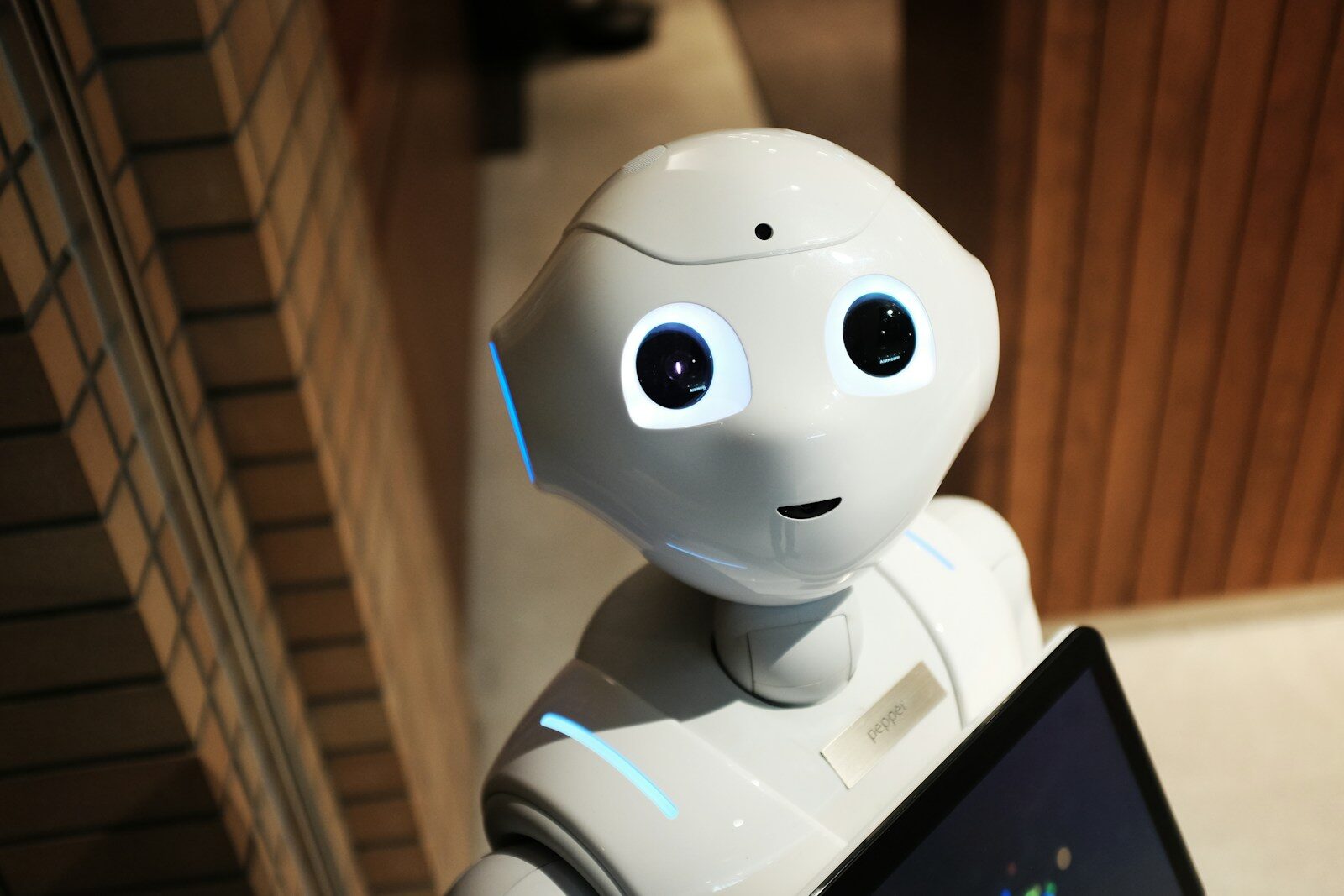
The tech landscape of 2026 is moving at a breakneck speed. We are no longer just talking about chatbots or faster phones; we are witnessing a fundamental shift in how hardware and software collaborate to change our daily lives.
From the silent revolution of autonomous AI software to massive leaps in battery technology and microchip manufacturing, here are the most significant tech breakthroughs and industry headlines shaping the world right now.
1. The Rise of “AI Agents”: Moving Beyond the Chatbox
For the past few years, artificial intelligence was mostly reactive. You entered a prompt, and the AI gave you an answer. In 2026, the paradigm has officially shifted to Autonomous AI Agents.
What’s Happening?
Tech giants and startups alike are releasing software agents capable of executing complex, multi-step workflows on your behalf. Instead of just writing an email, these agents can log into your project management tools, coordinate with team members, schedule meetings, compile reports, and file expenses—completely unsupervised.
Why It Matters
This represents the transition from AI as a “writing assistant” to AI as a “digital coworker.” Major operating systems are deeply integrating these agents at the system level. Users can now give a single spoken command like, “Plan my trip to Tokyo next month, book the best-rated hotel within my budget, and block out those dates in my calendar,” and watch the device execute the entire task in the background.
2. The 2nm Silicon Era: TSMC and Samsung Push the Limits
The race for smaller, more efficient microchips has reached its most critical milestone yet: the commercial mass production of 2-nanometer (2nm) semiconductor nodes.
The Breakdown
Both TSMC and Samsung have successfully scaled up their 2nm manufacturing processes. These next-generation chips utilize advanced Gate-All-Around (GAA) transistor architectures, allowing processors to pack billions of more transistors into the same tiny physical footprint.
The Impact on Consumer Tech
For consumers, this translates directly to:
- Unprecedented Battery Life: Up to 25–30% greater power efficiency compared to 3nm chips.
- Extreme On-Device AI: The ability to run massive AI models directly on your smartphone or laptop without relying on cloud servers, ensuring absolute user privacy and offline capabilities.
- Smarter Thermal Management: Devices will run significantly cooler, even under heavy gaming or 4K rendering workloads.
Expect the first wave of 2nm-powered flagship smartphones and ultra-thin laptops to dominate the market by the end of this year and early next.
3. Solid-State Batteries: The Holy Grail of Energy is Arriving
We have reached the physical limits of traditional Lithium-ion battery chemistry. Thankfully, 2026 is shaping up to be the breakout year for Solid-State Battery (SSB) technology.
The Innovation
Unlike standard batteries that use a liquid electrolyte, solid-state batteries use a solid material. This simple change eliminates the risk of fires (thermal runaway), drastically increases energy density, and allows for incredibly fast charging speeds.
Real-World Implications
- Electric Vehicles (EVs): Automobile manufacturers are testing the first commercial EVs equipped with solid-state packs, promising ranges of over 600 miles (approx. 960 km) on a single charge, with recharge times under 10 minutes.
- Smarter, Safer Gadgets: Laptops and smartphones utilizing early variations of solid-state or silicon-anode battery technology are boasting twice the lifespan (charge cycles) and much thinner profiles without compromising safety.
4. Spatial Computing Moves to “Lightweight Wearables”
When spatial computing and mixed reality headsets first launched, they were bulky, expensive, and required heavy battery packs. Today, the hardware is rapidly shrinking.
The Trend
The latest news from the wearable tech sector shows a massive push toward Smart Glasses that look, feel, and weigh almost exactly like normal prescription eyewear. By offloading heavy processing to your pocket-sized smartphone or local AI hub, these glasses overlay turn-by-turn navigation, real-time language translations, and notification previews directly onto your field of vision.
Conclusion: A Glimpse into Tomorrow
We are living in one of the most exciting times in technological history. The convergence of autonomous AI agents, incredibly efficient 2nm hardware, and revolutionary battery tech means that the devices we buy next year will look and feel fundamentally different from what we used just a couple of years ago.
At Nabil-it, we keep our fingers on the pulse of these rapid shifts to keep you informed.
Which of these tech breakthroughs are you most excited about? Are you ready to let an AI Agent manage your daily schedule? Drop your thoughts in the comments below!