- Category: Electronics Reviews
- Target Keyphrase:
- Meta Description:
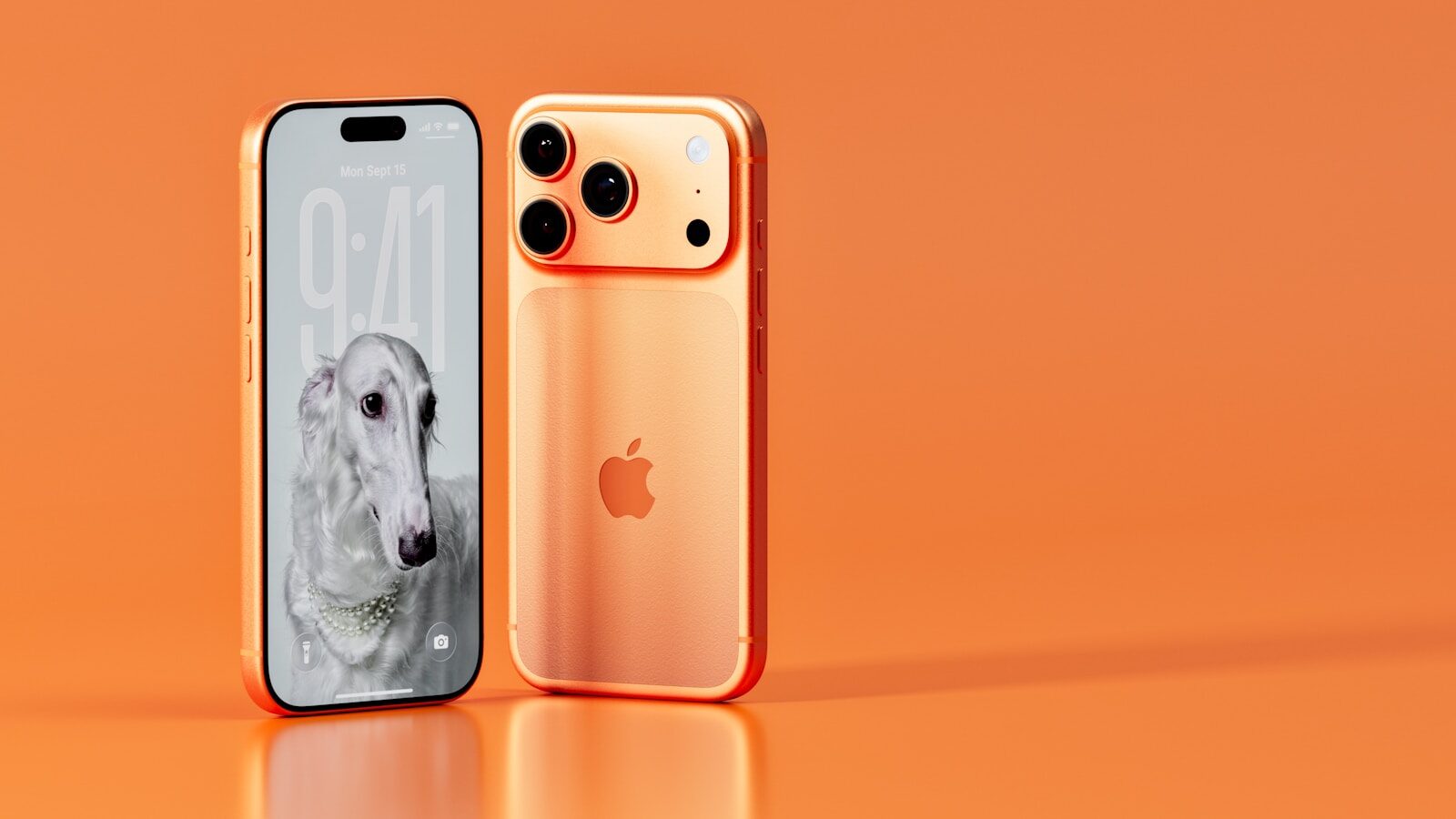
Apple’s release of the iPhone 17 series has completely reshaped our expectations of what a smartphone lineup should look like. Moving away from the traditional setup, Apple replaced the “Plus” model with a jaw-dropping, ultra-slim design called the iPhone 17 Air.
Additionally, we finally see long-awaited features like high refresh rates landing on the standard model, alongside massive performance jumps powered by the A19 and A19 Pro chips.
In this comprehensive review, we will dissect the entire iPhone 17 lineup—iPhone 17, iPhone 17 Air, iPhone 17 Pro, and iPhone 17 Pro Max—highlighting the groundbreaking features, the disappointing flaws, and giving you an honest verdict on where you should spend your money.
The Lineup at a Glance
For 2026, the lineup is categorized into three distinct philosophies:
- The Reliable Baseline: iPhone 17 (Now with Pro-grade features).
- The Design Revolution: iPhone 17 Air (Focus on extreme thinness and lightness).
- The Uncompromised Powerhouses: iPhone 17 Pro & iPhone 17 Pro Max.
1. The Base iPhone 17: Finally on Par with Flagships
For years, Apple faced heavy criticism for reserving its premium display technologies for the expensive “Pro” models. With the standard iPhone 17, those days are officially over.
The Standout Features
- 120Hz ProMotion Display: The base iPhone 17 finally features a buttery-smooth 120Hz LTPO display. Navigating menus and playing games feels incredibly fluid.
- Larger, Brighter Screen: Apple trimmed the bezels, expanding the screen from 6.1 inches to 6.3 inches without adding physical bulk. Outdoor visibility has skyrocketed with a peak brightness of 3,000 nits.
- Excellent Battery Jump: Thanks to the highly efficient 3nm A19 chip and Apple’s new proprietary N1 networking chip, video playback battery life has increased to an astonishing 30 hours.
The Drawbacks (Cons)
- No Zoom Lens: You are still limited to a dual-camera system (Main and Ultrawide). There is no dedicated telephoto optical zoom lens.
- Identical Design: From the back, the iPhone 17 looks virtually identical to the iPhone 16. There is very little visual innovation here.
2. The iPhone 17 Air: A Bold Design Experiment
Replacing the slow-selling Plus model, the iPhone 17 Air (sometimes referred to as the iPhone Slim) is the thinnest device in Apple’s history, measuring just 5.5 mm thick and weighing a mere 145 grams.
The Standout Features
- Mind-Blowing Form Factor: Holding this phone feels like holding a piece of heavy paper. It is remarkably comfortable in the hand and fits seamlessly into any pocket.
- Beautiful 6.6-inch Screen: It fills the gap for users who want a large display without the heavy bricks of the Pro Max series.
- A19 Pro Inside: Despite its thinness, it shares the premium A19 Pro chip, giving it massive processing power and support for high-end Apple Intelligence tasks.
The Drawbacks (Cons)
- Single Camera Only: To achieve the 5.5mm thickness, Apple had to sacrifice the camera array. It features a single 48MP rear camera. You lose ultrawide, macro shots, and optical zoom.
- Smaller Battery: Because of its razor-thin profile, the physical battery capacity is limited. It relies heavily on software optimization (iOS 26’s Adaptive Power Mode) to survive a full work day.
- No Video Output: The USB-C port supports slower transfer speeds and does not support DisplayPort video out.
3. iPhone 17 Pro & Pro Max: The Unrivaled Beasts
If you are a power user, gamer, or mobile content creator, the Pro series is where Apple pulled out all the stops, specifically solving the thermal issues of previous generations.
The Standout Features
- New Vapour Chamber Cooling: Apple integrated an advanced vapour chamber cooling system in the Pro models. This makes the iPhone 17 Pro the coolest-running iPhone in history, keeping thermal throttling at bay during intensive 3D gaming or 4K rendering.
- 12GB RAM Upgrade: For the first time, Apple has equipped these phones with 12GB of RAM to handle heavily advanced, complex local AI workflows and massive multitasking.
- Revolutionary 18MP Front Camera: The new square selfie sensor allows users to seamlessly shoot high-resolution wide-angle videos horizontally or vertically, even while holding the phone vertically.
- Triple 48MP Cameras: The Pro Max features three distinct 48MP sensors (Wide, Ultrawide, and a 5x Periscope Telephoto), delivering stunning detail across all focal lengths.
The Drawbacks (Cons)
- Aluminum Transition (Weight vs. Strength): Apple shifted back toward lightweight aluminum frames blended with titanium for better heat dissipation. While it keeps the phone cool, the frame is more prone to minor scratches compared to the pure steel/titanium of older models.
- Premium Price Tag: The starting prices remain exceptionally high, making it a heavy investment.
Final Recommendation: Which One Should You Buy?
Choosing the right iPhone in 2026 comes down to prioritizing either design, balance, or raw power:
- Buy the iPhone 17 if you want the best value. With the addition of the 120Hz ProMotion screen and huge battery life, the gap between the base model and the Pro model has never been narrower.
- Buy the iPhone 17 Air if you are tired of heavy, bulky phones and want a beautiful, conversational piece of design—as long as you are comfortable living with a single camera.
- Buy the iPhone 17 Pro Max if you want no compromises. The combination of the thermal vapour chamber, 12GB RAM, and professional triple 48MP camera setup makes it a productivity beast that will easily last you the next 5 years.
Which model in the iPhone 17 lineup caught your eye? Are you willing to compromise on cameras for the ultra-thin design of the Air? Share your thoughts in the comment section below!