

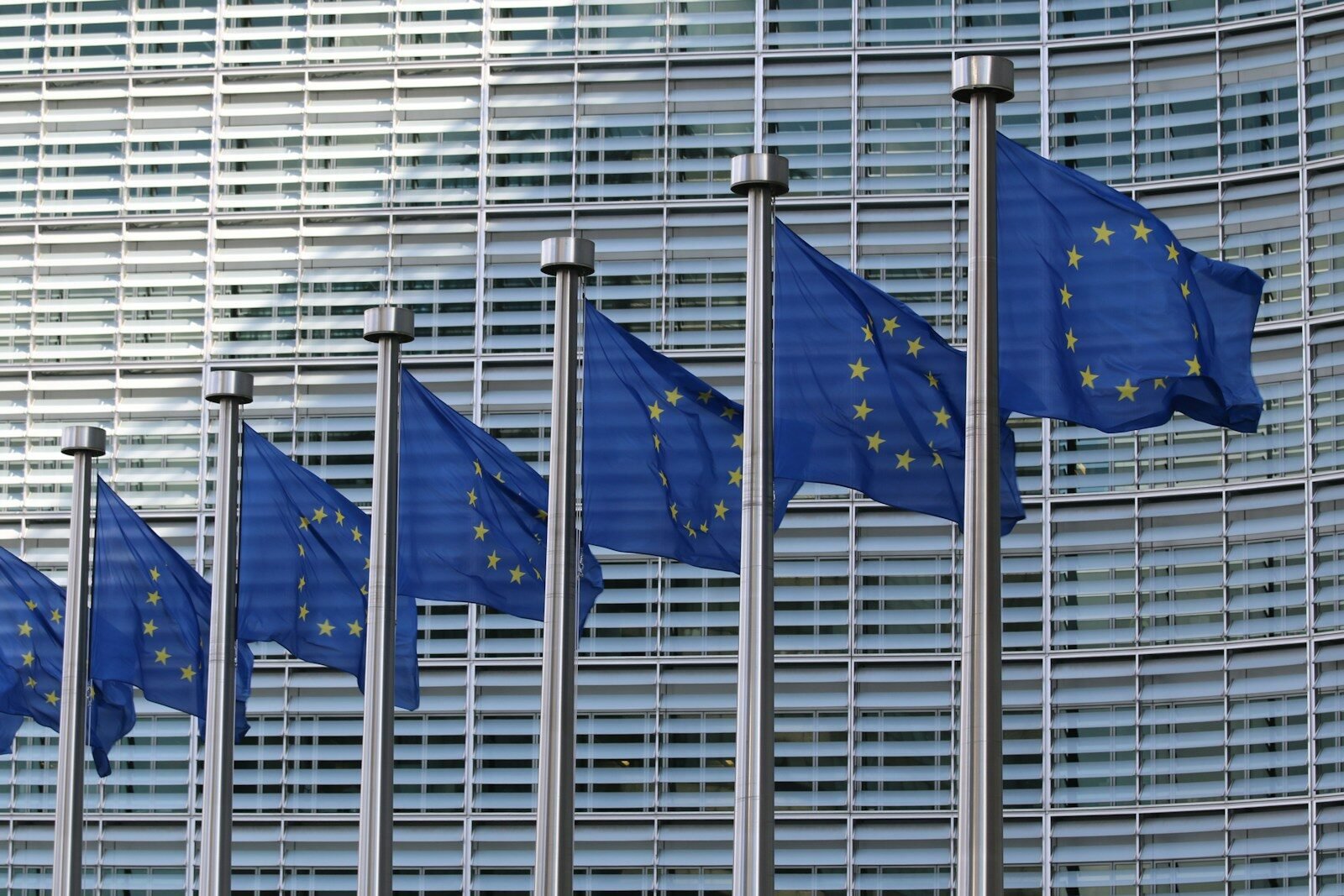
In response to a unprecedented convergence of extreme weather events, prolonged droughts, and severe humanitarian emergencies across multiple continents, the European Commission, alongside United Nations relief agencies and international financial institutions, has announced a landmark €10 Billion Emergency Humanitarian Package.
The expansion represents the largest single mobilization of international disaster relief capital in European Union history, aimed at funding rapid-response civil protection units, emergency food security networks, and resilient infrastructure restoration across vulnerable global regions.
Today on Nabil IT, we analyze the strategic allocation of this historic relief package, evaluate the climate drivers forcing global policy shifts, and examine the technological tools deployed to coordinate real-time emergency aid.
1. The Trigger: Unprecedented Climate Anomalies and Crisis Convergence
The multi-billion euro funding expansion follows a series of compounding ecological and geopolitical challenges throughout 2026:
[ Extreme Thermal & Drought Events ] ➔ [ Regional Food & Water Shortages ] ➔ [ Humanitarian Emergency ]
                                                                                   │
                                                                                   ▼
                                                             [ €10B Global Relief Package Mobilized ]
Key Factors Driving the Mobilization:
- Extreme European Weather Disruptions: Severe summer heatwaves and wildfire surges across Southern and Southwestern Europe strained national civil defense budgets, requiring immediate regional intervention through the rescEU civil protection mechanism.
- Sub-Saharan Food & Water Insecurity: Extended drought cycles across East Africa and the Sahel region created critical supply shortages, threatening food security for over 30 million people.
- Displacement Crisis Management: Escalating climate anomalies paired with regional conflicts expanded refugee camp populations, demanding continuous medical, shelter, and logistical support.
2. Allocation Framework: Where the Funding Goes
The €10 Billion emergency allocation is structured into four primary humanitarian pillars designed to deliver both immediate crisis relief and long-term infrastructure resilience:
| Funding Pillar | Allocated Capital | Primary Objective | Key Agencies Involved |
|---|---|---|---|
| Emergency Civil Protection | €3.2 Billion | Deploying water-bombing aircraft, medical teams, and mobile shelters | European Civil Protection & rescEU |
| Food & Water Security | €2.8 Billion | Securing grain corridors, desalination units, and agricultural aid | World Food Programme (WFP) & FAO |
| Health & Disease Prevention | €2.2 Billion | Distributing vaccines, sanitation supplies, and field hospital units | WHO & Médecins Sans Frontières |
| Resilient Infrastructure | €1.8 Billion | Rebuilding power grids, flood barriers, and emergency transport routes | World Bank & EIB |
3. Technology in Crisis Response: Satellites, AI, and Autonomous Logistics
Modern emergency relief operations no longer rely solely on traditional manual coordination. The 2026 package integrates advanced technology systems to ensure rapid resource deployment:
- Copernicus Emergency Satellite Telemetry: Real-time satellite imaging arrays map active wildfire boundaries, flood inundation zones, and refugee movements, allowing disaster managers to deploy resources within minutes.
- Predictive AI Supply Chain Routing: Autonomous logistics algorithms calculate optimal transport routes for medical and food supplies, avoiding damaged roads or high-risk conflict zones.
- Heavy-Lift Drone Delivery Networks: Autonomous cargo drones deliver emergency plasma, vaccines, and satellite communication units to isolated mountain and island communities cut off by natural disasters.
Strategic Analysis: Pros and Cons
Pros (Immediate Positive Outcomes):
- Provides essential, life-saving financial backing to overburdened international humanitarian agencies.
- Establishes a standardized, multi-nation framework for rapid civil protection and disaster response.
- Leverages satellite telemetry and predictive tech to minimize logistics delays and save lives.
Cons (Systemic Challenges):
- Fiscal Strain: High emergency capital commitments increase national budgetary deficits across participating donor countries.
- Root Cause vs. Symptom: Emergency aid packages provide immediate relief but do not solve long-term global climate warming or systemic geopolitical conflicts.
Final Verdict & What Lies Ahead
The mobilization of the €10 Billion EU and Global Emergency Relief Fund marks a critical acknowledgment that climate-driven disasters and humanitarian crises require permanent, high-capacity financial infrastructure. As international bodies deploy these funds, the focus must remain on combining swift tactical relief with sustainable, long-term climate adaptation.
What are your thoughts on international funding for climate emergency relief? Share your views in the comments below, and subscribe to Nabil IT for ongoing global news updates and strategic analysis!